Domino Stillness

In March 2020, I watched an episode of Mister Roger’s Neighborhood where he talks about dominos (episode 1657, aired in 1992). In it he visits a man who sets up dominos and they watch a track of over 3000 of them go over. This was early in the stay-at-home order so I was inspired to purchase a 200 piece wooden domino set for my kids. I figured it would be a good time-filler-distractor.

As with anything they hit it hard for the first 48 hours; figuring out how to go up and down stairs, make risers with books, and how to make breaks in the line so you didn’t loose the whole track if you bumped one. Soon it fell to the wayside in a tall plastic tub in the toy closet with the legos and kinetic sand.

So the other day I pulled out the domino bucket. It had been a loud day- multiple soundtracks to football games, Disney shows, and Tik Tok videos poured from various devices. As I’ve come to learn, I don’t handle light and noise overstimulation very well, and I felt myself craving a slow, quiet activity.

Auggie and I worked on the floor in silence. Steady fingers pinching each wooden block equally spaced behind the last one. Sweet boy wanted to make a heart, so we each took a side, curving slightly to meet at the bottom. We talked about what to do when it falls over (because inevitably it will), and how to learn from our mistakes when it didn’t work. (This drove engineer husband crazy…he wanted to abandon the trial and error learning process and show us the logic of gravity.) We worked for at least an hour. In periods of content quiet, humming along with our deep work. I tried to put my “should be checking off my to-do list” guilt aside and just be still in that moment. I realized how clouded our thinking can be when we don’t allow for time to just be.

I was walking with a friend yesterday and we talked about what I’ve been up to this past fall and winter. I’ve read, and researched, and listened and chatted with experts. Perhaps in an attempt to not waste this year, I haven’t stopped moving and thinking. In fact, the only thing I haven’t done is to just be still. It is in these moments of stillness that clarity comes. Clarity on how I can use this learning, this passion for kids from tough places, in the best way possible. (Aren’t all adults trying to figure out what they really want to be when they grow up?!)

As I shared in my last post, my 2022 word is bold. I am hopeful that some of our boldest ideas come when we get quiet enough to see what we truly want.

As the last domino fell, we pushed all the colored rectangles together, making sounds like bulldozers. I felt a hopeful flip-flop in my stomach as I thought about the week ahead- vowing to carve out time to be still, listening for what’s most important in the road ahead.

** This gem was a gift from my dear sister for Christmas. Published in 1960, I am convinced Eleanor Roosevelt is a genius. I’m not sure if it’s terrifying or heart-warming that her tips on living and fears of the current status of the country are still relevant today. I wish I could have coffee with her tomorrow. Short and truly delightful.
“One thing life has taught me: if you are interested, you never have to look for new interests. They come to you.” – Eleanor Roosevelt
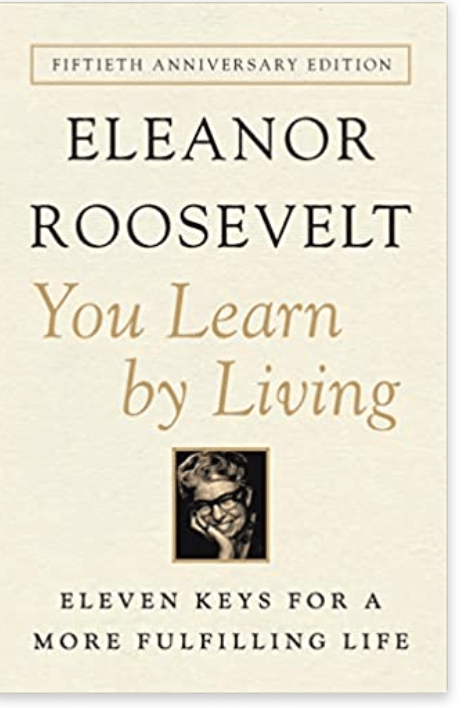
Click book cover for Amazon link

It’s Time to be Bold

I’m not one to jump on trends right away. Joining Facebook, crocs, or whatever fidget-spinner-ice-bucket-challenge happens to be dominating the popular conversation, I tend to rebel until absolutely necessary.

But the “Word of the Year” movement… that I can get behind. There’s something about choosing a goal for the new year in one word that speaks to the poetic efficiency of my soul, and I love it.

I was starting to narrow down my word when I read a post from a social media presence I follow. Rachel, from Finding Joy, frequently posts on motherhood and striving for happiness amid all the chaos that is life. I often enjoy her posts, but her entry on January 1st shook me to my core. In it she writes,

For the last two years I’ve felt like I’ve been holding my breath. Waiting. Not doing, but waiting. Waiting for things to change, waiting for the next month, waiting. Being. And it’s been beautiful, but friends, my spirit is tired of waiting. I’m restless.I’m energetic.I’m motivated.I’m excited.I’m ready.I’m ready to do.To be. To finally exhale and start moving To stop waiting, to start being, to start doing.”

My scrolling fingers halted midair and I thought, ‘that’s it!’ She put words to what I (and I imagine many of us) have felt the last few years. Particularly in education, we are paused. Stuck. Halted. Not knowing whether we’re waiting for it to go back to normal or wanting normal to go away forever. And I couldn’t agree with her sentiment more…it’s time.

So my word for 2022 is bold. To join those turning education on its side in the name of what’s best for kids, despite the fact that it’s not “what we’ve always done'” or what testing culture dictates.

So here’s to writing our own job descriptions instead of waiting for the perfect job to appear. To not stifling revolutionary impulses in the name of- ‘let’s wait and see how this all shakes out’.
May 2022 be the year we find a way to see the loved ones more, because you just never know.
To finally write it, sing it, explore it, and learn it.

Perhaps it’s the clarity that happens after the pause. Like when you wake up in the middle of the night with the most brilliant idea (usually lost by morning).
Do you know what followed the 1918 Spanish Flu outbreak?…The Roaring 20’s. That means 100 years ago, Americans felt a similar unrest; craving change in light of social and political circumstances.

I realize it’s slightly different from my 2016 word, ‘rest’. And perhaps I’ve eaten too many fortune cookies this week, but I’m all done resting.

“Everybody needs a passion. That’s what keeps life interesting. If you live without passion, you can go through life without leaving any footprints.” -Betty White

Cheers to bold footprints, my friends. And happy new year.

*** From the minute I cracked the spine on Thrivers by Michele Borba, sunlight shot out from the pages and the hallelujah chorus rang out behind me. I had heard her speak on one of my favorite podcasts- Empowered to Connect. Michele Borba studied people who not only survived but THRIVED in life despite a traumatic background. She figured out what these people had in common, and (here’s the best part!!)… she makes it teachable! I ordered this book with my trauma teacher hat on, but read most of it as a parent. A must read for sure.

Click book cover for Amazon link

These are a Few

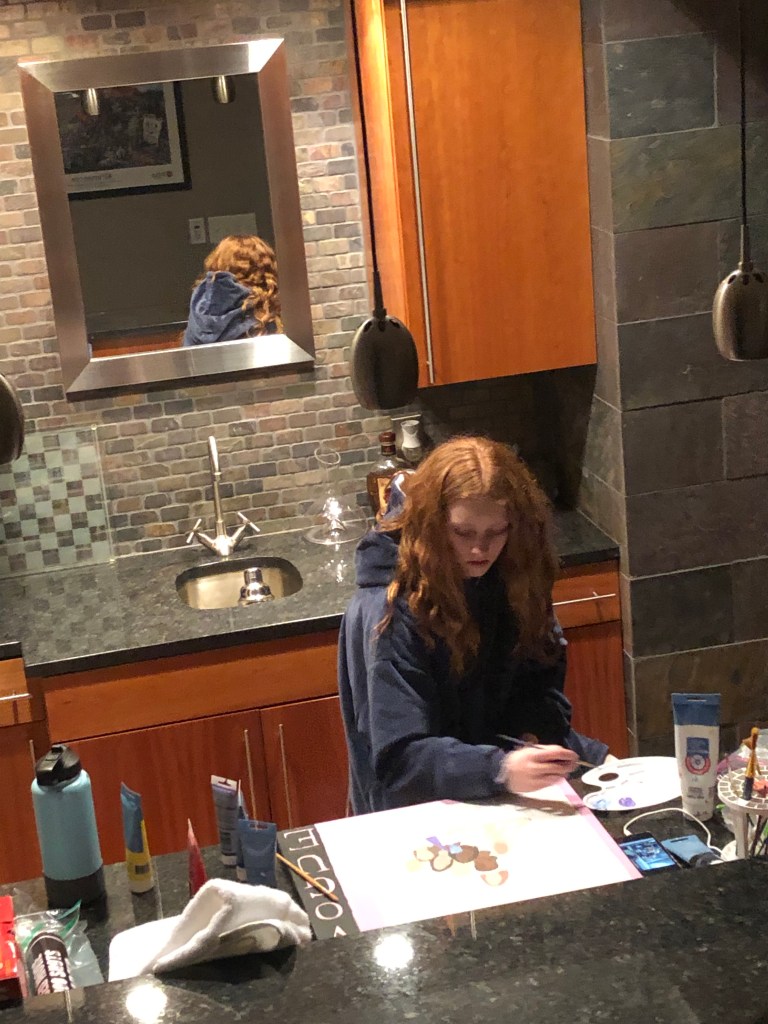
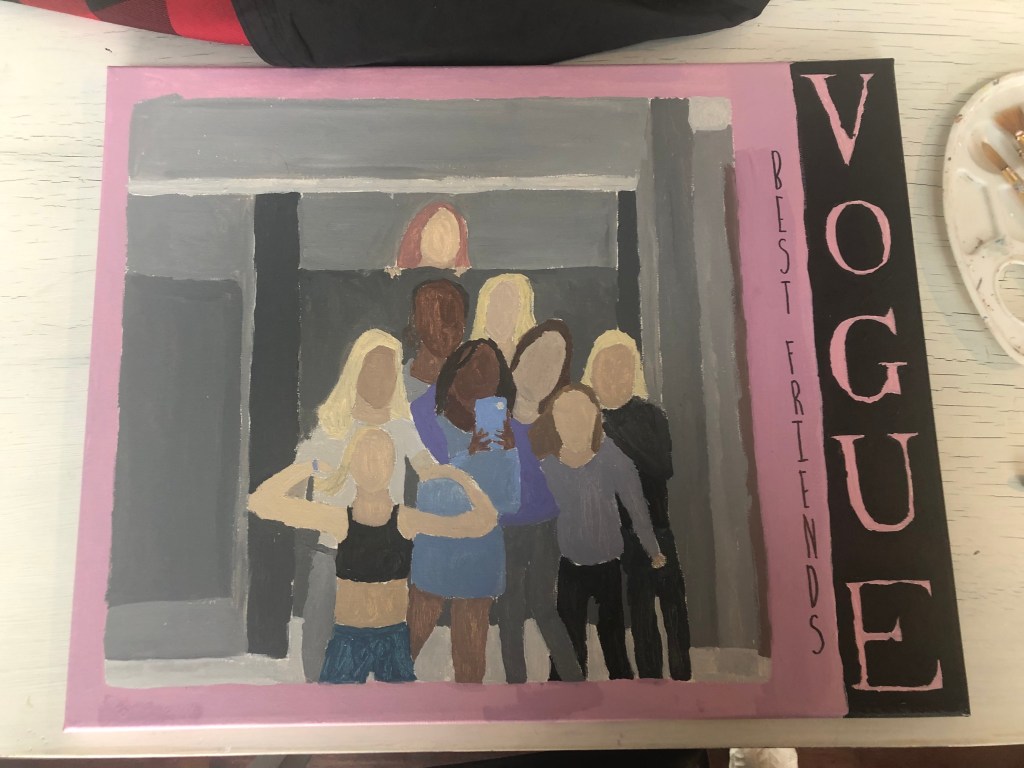
She poured paint into a small palette, twirling her brush around. You know, nobody has the exact same skin color, she mused, as she painted a group picture of her friends for one member’s birthday. I was struck by the resplendent moment. Proud that my daughter wanted to make a gift for her friend that was special and unique, and loving the beauty of skin tones captured in liquid acrylic.
** Bright copper kettles and warm woolen mittens**

My boy handed me a perfectly rounded snowball and I held it in my cupped gloved hands. The mid-day sun sparkled off the sides. Launch it, he whispered, and we watched as it floated up and landed in a puffed explosion on the driveway.
** snowflakes that stay on my nose and eyelashes**

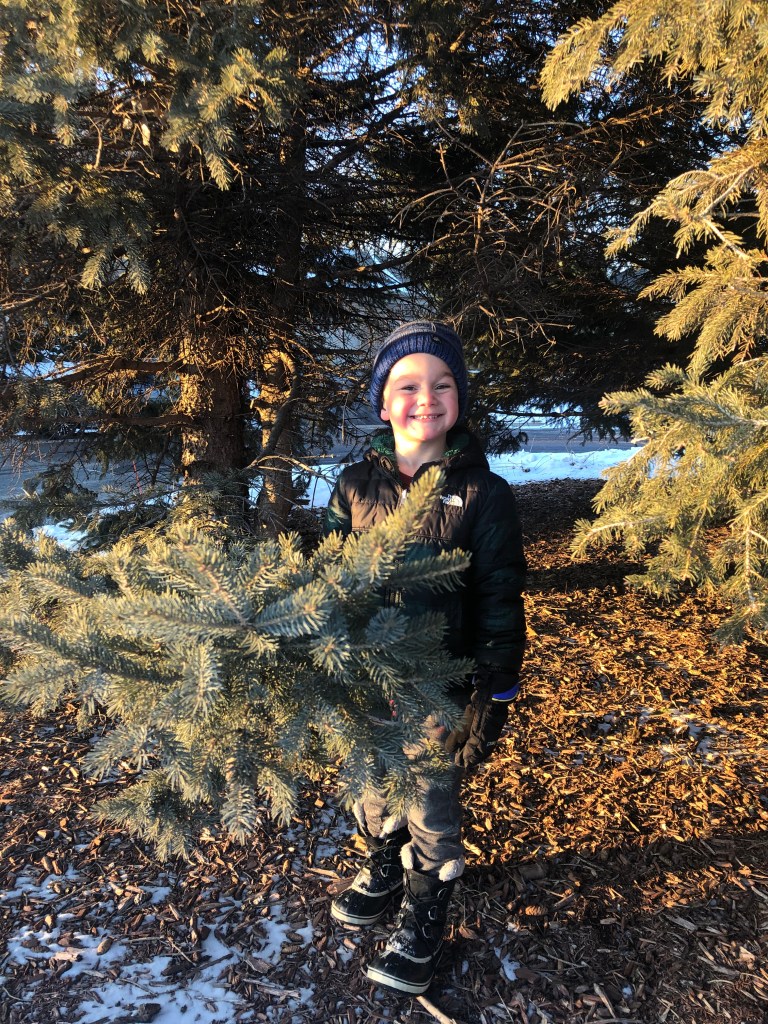
We kicked ice chunks down the street until he found a cozy shelter beneath three large evergreens. Come in, Mama!, he called, it’s the perfect hideout. And so I did, collecting perfect, tiny pinecones in my coat pockets to add to our table centerpiece.
** silver-white winters that melt into springs**

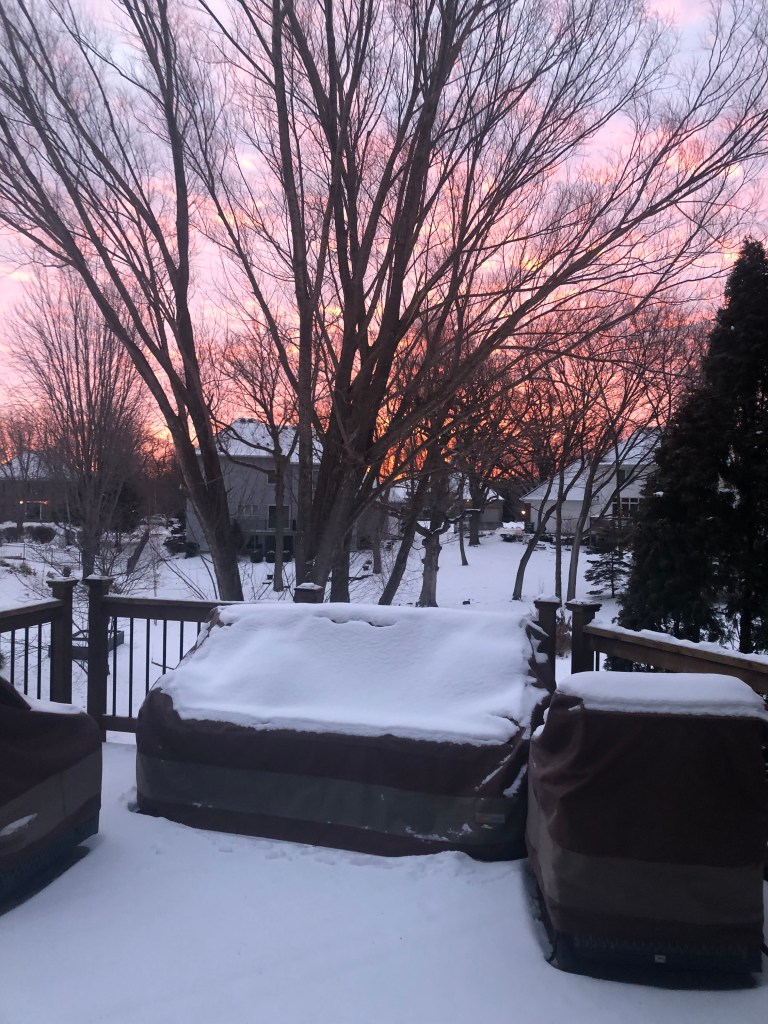
Quiet winter mornings where everything is still. Snuggled under flannel and sipping hot coffee. Breathing back the weighty expectations of the day while the red-warm sun filters between the bare branches.
** Wild geese that fly with the moon on their wings**

The build-up to Christmas is busy and lists and anticipation. In the week before our regular schedules restore, we vacillate in limbo between bored and unfocused. I plan to hop gratefully from moment to moment, spending slow time with my favorite people and anticipating the hopeful beginning of a new year.
** These are a few of my favorite things**

Most Wonderful Time of the Year

We started singing Christmas songs in September. Although it still felt like summer outside, we harmonized carols and choreographed ice skating scenes. So that by the time we performed the Christmas show in December we were well practiced and ready. And it was magical.

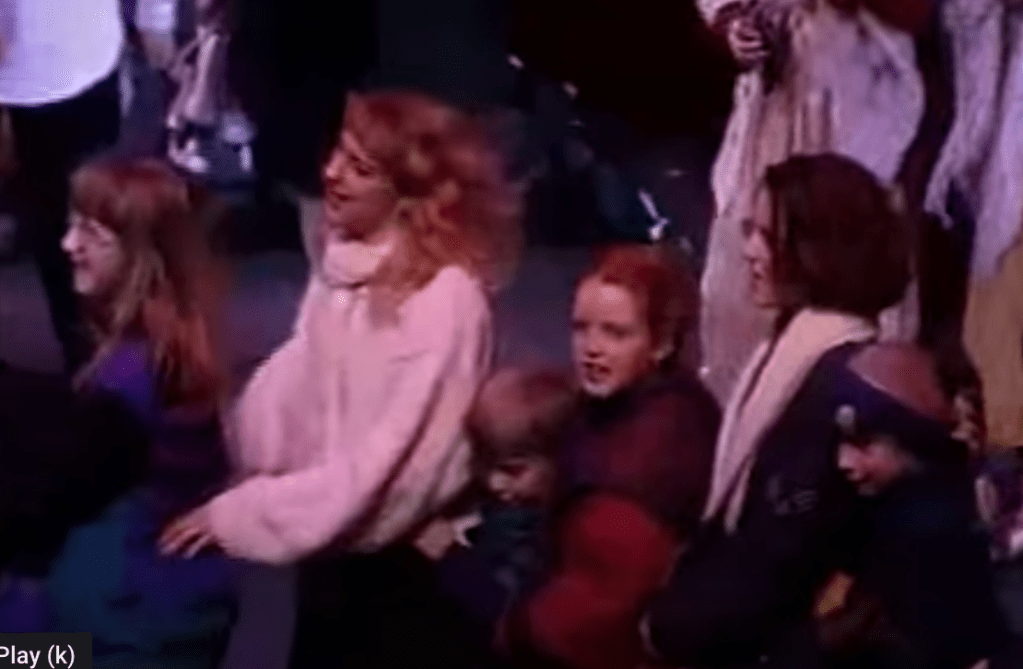
Whenever I hear certain Christmas songs they will forever remind me of Encore (an annual variety show of singing and dancing) 1994 at Eagan High School. “The Christmas Waltz” with ice skates over my shoulder, “Holly Jolly Christmas” country-style, and girls in shiny, (scratchy) metallic fabric dresses that my mom helped sew for the finale. Anyone who’s been part of a show knows you become a little community in the last few weeks during performances, and the Christmas theme just added to the uniqueness.

It seems like another world now- sneaking off set with friends in between performances to drive around and load up on Mountain Dew at the gas station (even though we weren’t allowed off campus). And while I look back on this with fond nostalgia-tinted glasses, I’m sure that under all those bleach blonde curls was an angst-filled sixteen year old complaining about her parents rules and lamenting over the high school boyfriend break up. But I can look back on it now as happy.

Through my trauma research I’m reminded that not everyone has holiday happy to recall. Those from tough places have memories tinted in loss and fear, insecurity and disappointment. And while we can’t control the past, we are all in charge of the future. Sometimes it strikes me how susceptible the little ones around us are. We create the magic and tradition. I want my kids to remember the wonder of advent, not how crabby mom was with all the pine needles in the entryway. We can orchestrate enchantment for our kids, nieces, nephews, and neighbors.

And as I spend the next two weeks debating the battle of who sang “O Holy Night” best; Nat King Cole, Celine Dion, or Kelly Clarkson… I am inspired to create that magic. To author the foundation of memories my kids will recall when they hear that song on the radio as adults.

And for the record…Kelly sang it best. There’s really no contest.

*** Speaking of magic, this advent devotional is it. And if you’ve read Ann Voskamp, you already know that everything she touches turns to poetry.

Click book cover for Amazon link

Frozen Leaves and Ambitions

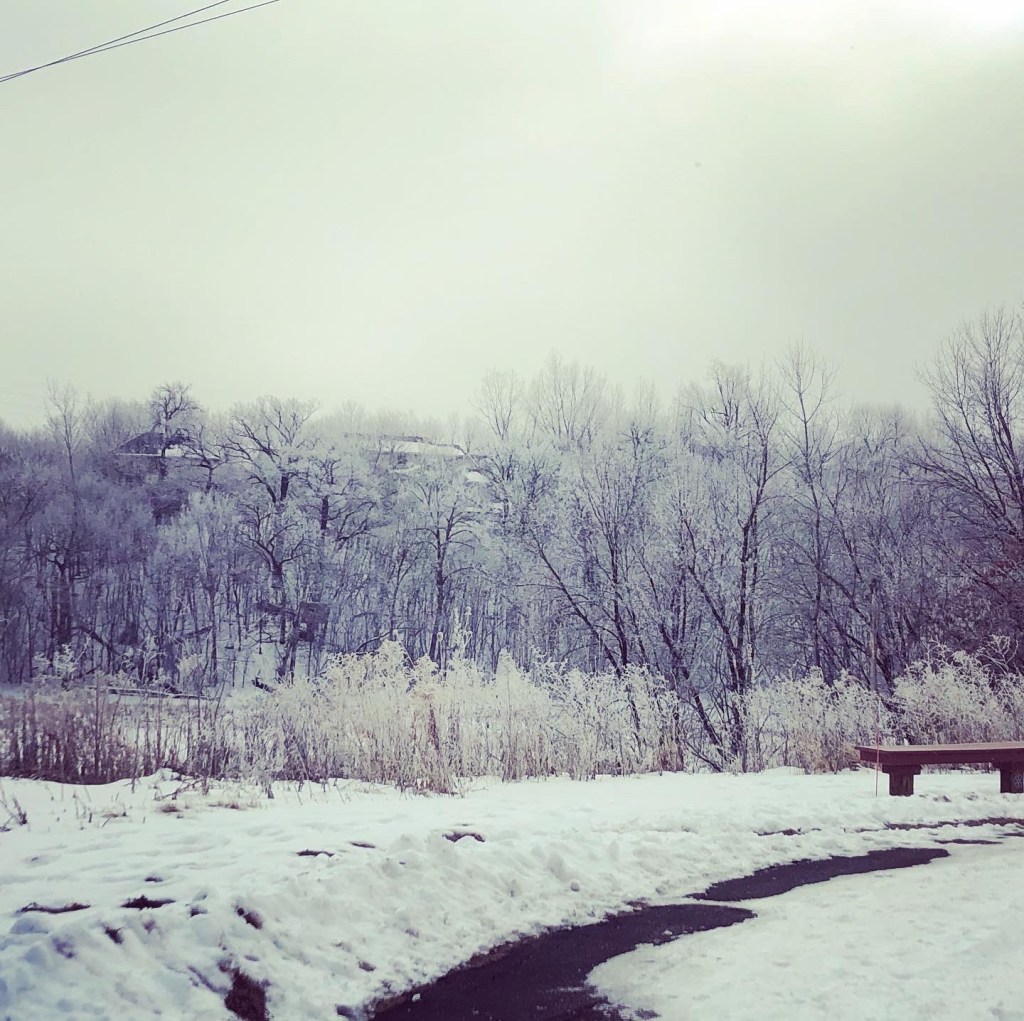
The fog frost this morning was incredible. The kids and I rode to school in awe, looking down upon our town with its snow-kissed tree branches and houses with sparkling eaves. I bundled up and went for a run, despite the freezing temp and slippery sidewalks. To breathe in the idyllic winter scenery- making your average roadside shrub look like a nordic screen saver.

It seems the outdoors have finally caught up to the calendar. And although I feel so fortunate to have this be my view as I spend my days learning, researching, and volunteering, I can’t help but feel a bit frozen myself.

In the past few months I have taken formal classes and webinars, attended educator discussions and read numerous articles and books. I’ve studied trauma, expressive arts, play, outdoor classrooms, and student-driven learning methods. And while I’m ecstatic to try some things out, I have to admit I feel slightly…stuck.

I’ve joked lately that I’m not sure I can return back to the classroom seamlessly. That I’ve “drank too much of the educational reform Kool-aid”. I’ve been inspired and encouraged by all of these ground-breaking researchers and educators and yet change is slow. I get disheartened when I look around and see the same old thing being done in education, despite substantial evidence of the better.

photo cred Charly Wangen

So I had an extra coffee and put out my intentions in the universe. I said a prayer for guidance… how can we best give our kids the education they so desperately need right now?

I’m still waiting for the answer. 😉

But while I do, I’m happy to share that throughout all of this learning, certain themes keep repeating. A lovely sign that maybe, perhaps, THIS is where schools need to move towards…

#1 Social Emotional Learning Support: Yep. That phrase gets overused. But I’m talking in particular about teaching kids how to notice what they are feeling and what to do. How to regulate their emotions and ask for what they need.

#1B Boys can be sad too: Brush it off, ignore it, you’re fine, is not ok for our boys. Want to make them tougher? Teach them how to identify and admit emotions, how to confidently solve problems. (*foreshadowing of a future post)

#2 Kids need to move, preferably outside: I am not in the business of telling kids to sit down and be quiet. Although calm has its place, we need to be done teaching kids that learning only comes from silent obedience. Fresh air, sensory play, creative discussion-all of it.

#3 There needs to be more student-led learning: We need to let them talk, decide topics, and have ideas. Can we still check off our learning goals and not get side-tracked? You bet we can…and have more engaged and focused learning in doing so! Instead of thinking of ideas of how to teach the standards, what if we use their interests and connect it back to one?

#4 Value Recess: All humans need breaks. Obviously for fresh air and play and movement… but also for social. Kids have had a gap in peer interaction. Let’s teach them how to solve conflict, how to ask to join the game, and how to include the ones on the peripherals.

By the time I finished this post, the frost had melted from the branches, erasing the magical glitter and leaving behind large clumps of snow only. So maybe it’s fitting to end with a thought from Robert Frost. That sometimes…”the best way out is through.”

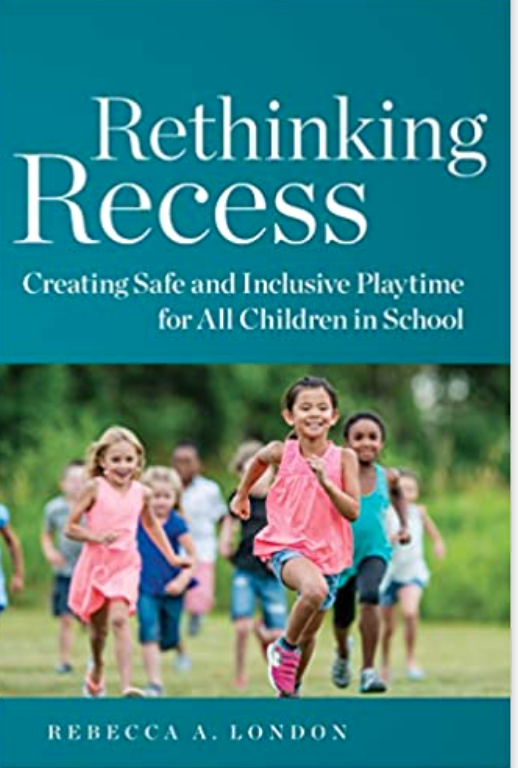
This week I read Rebecca London’s Rethinking Recess. My biggest takeaway is that recess should be organized. Not structured as in too adult-led and controlled, and not a complete free-for-all with little guidance… but organized. And we need wonderful humans to dedicate their time to playing with kids (the book calls them ‘Recess Coaches’ and I think it’s genius. Also inspiring for anyone working on changing the recess laws in our country!

Click book cover for Amazon link

“Get Me Somebody. Anybody. And Get Me Somebody While I’m Waiting!”

I pulled up to the stoplight, Target list in the middle console, flipping radio channels with one hand and digging in my purse for an allergy pill with the other. And I’m horrified to admit that my first instinct was to then grab my phone and scroll through social media while I waited for the light to turn green. While I generally DO NOT make it a habit to be on my phone in the car, I was so lost in “go-mode”, that sadly, this was my gut reaction when forced to pause and wait.

Earlier that morning I had listened to a podcast while on a run, done some online shopping, driven one kid to activities, and played Legos with the other. I was headed to Target before circling back to pick up the first kid. And although I’m guessing this is a typical weekend in the lives of most of you all, I was so disappointed in myself that my innate desire was to keep my hands busy, even at a 30 second stoplight!

If you don’t recognize the quote in the title, it’s from National Lampoon’s Christmas Vacation, where ‘stereotypical boss’ Mr. Shirley tries to get out of an awkward conversation with Clark Griswold by asking his assistant to get him someone on the phone. But I always giggle at the second half of the quote, …”and get me somebody while I’m waiting.” Isn’t that the truth? When we are in the “go-mode” there is such pressure to fill the space with sound, entertainment, and busyness.

I always laugh to myself that I know my husband is home when all the lights are on maximum brightness, and we have several things making noise. My dear husband will have the game on tv, 70’s classic rock on the speakers, accented by one or more kid with a noisy video or game on a device. And to each their own, because he seems to thrive in the hubbub. “I’m making steaks!” he shouts happily from the kitchen, checking fantasy football scores on his phone amidst the television ref calls and Bob Seger blaring.

And as much as I get caught up in the noise too, I realize I crave the silence; easily overstimulated by too much light and conflicting amounts of audio entertainment. It could be some possibly undiagnosed ADHD (which I fully suspect might be a common teacher thing), but more likely a side effect of our current culture of nonstop noise and motion. After spending the day in a loud classroom, I always rode home in silence. Letting the ring in my ears abate to the hum of tires on concrete and deep breaths.

So I turn to the master of silence use; my favorite, Mister Rogers. In our Educator’s Neighborhood Group this year we are luckily tasked with watching episodes through different lenses. My favorite is to watch for his use of silence. If you’ve never watched him in action, he has a way of speaking in a laid-back, unhurried tone. He doesn’t worry about pausing and letting there be “dead air”. Isn’t it the silence that sometimes pulls us in? It is the beauty of anticipation, the art of ellipses, and the space to think among all the daily din of our lives.

Last night I settled into the couch with my two kids, trying to bridge the gap between dinner and getting ready for bed. The Kindergartener bounced between Roblox and Lego trucks while the middle schooler scrolled aimlessly through social media. Without a solid plan, I flipped on an old episode of Mister Rogers from the fourth season. I felt my shoulders drop in comfort as I heard the soft jazz that accompanied the changing scenes in the episode and Fred’s melodic voice pausing between thoughts. And in that silence, that stillness- both kids looked up from their own devices and watched a bit, surprisingly captivated by something that aired over 50 years ago. (1971)

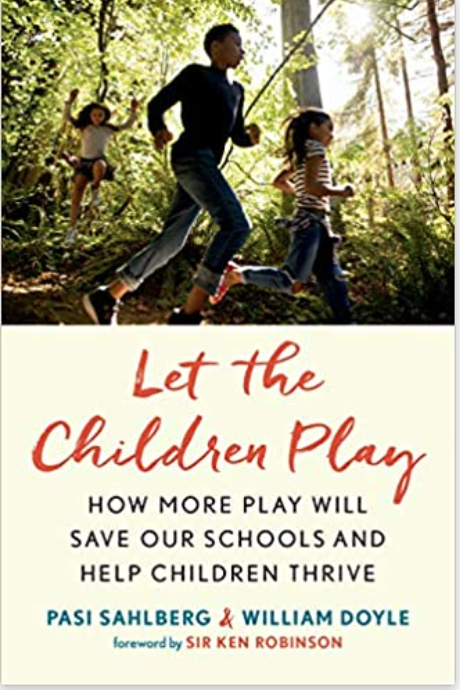
*** I haven’t finished my book this week (stay tuned…it’s an awesome read on recess!), so I am linking my two favorite educational books. I am often asked what my favorite books are for the future of education and I always recommend these two: The first is Let the Children Play by Pasi Salhberg and William Doyle. It is the absolute handbook for play-based learning and models of education systems that are flourishing.

Click book cover for Amazon link

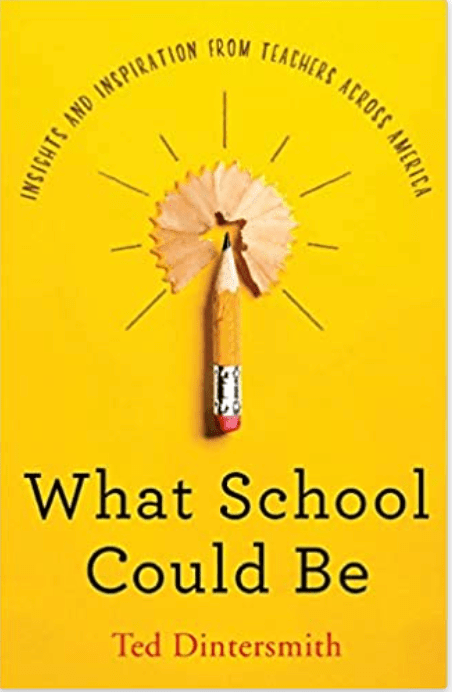
Similarly, What Schools Could Be by Ted Dintersmith depicts examples around the country (and some world) of schools and systems that are thriving using cutting edge, exciting and best-practice theories in education. I recommend both for any teacher, parent, or education-enthusiast-rebel!

Click book cover for Amazon link

Monxiety

It usually starts in my head. Although I’ve just woken up, my head feels dizzy, swimming in overwhelmed thoughts. It moves down into my chest- a heaviness that stays for hours. Before I’ve eaten breakfast, it stops at my stomach, sending sharp streaks of adrenaline and edges of nausea.

I would have thought the Monday-anxiety would fade off this year as I am not headed to work daily. But it goes to show those panicked thoughts were not the effects of a full-time job, but just the heaviness of the week ahead bubbling up.

It is on Monday mornings when I cycle through the worst-case-scenarios and the worries that weren’t even close to on my radar on happy Saturday nights. Looking through the Monday morning lens makes small issues gigantic, and concerns for my kids severe.

But at some point in the morning a sliver of hope breaks through. Through no amount of positive self-talk or prayer or even coffee, a little piece of that hope lessens the pressure in my chest and reminds me that all is ok….and in fact, there’s probably something to look forward to (whatever it may be that week).

So I guess I’m not surprised when I see how hard Mondays are for my little guy. Although he dearly loves Kindergarten this year, getting out the door without complaint and refusal is non-existent on any day, let alone Mondays.

But this past Monday I realized something new. Curled up on the couch in his batman jammies, he asks if there’s school today. Knowing the answer before I speak, he launches into a torrent of tears and anger. As I watched his sweet toes curl in frustration I registered that this isn’t about him liking or not liking school, or even about not wanting to go. I think this is his version of ‘Monxiety’ (Monday-anxiety). What looks like anger, is perhaps in fact…worry.

So I try out some phrases from a graphic I saved on a Facebook trauma informed parent page. “I am here with you”, “Let’s breathe together”, “I know this is hard.” As I repeated these phrases, he continued to complain… wishing it was Sunday still and he could stay home. And then I tried this one. “How big is your worry right now?” At this he stopped, wide-eyed and said, “About the size of the SUN.” And I knew. I knew that feeling. When you are overwhelmed at the whole week ahead. And my thinking shifted. How easily I could have gotten short and frustrated that morning. Annoyed that we are going to be late, yet again, and hustled him along.

But I took a deep breath and said, “I get it.” We didn’t solve it, and the Monxiety will be back again (or maybe some Tuesxiety too…), but hopefully he’ll grow up knowing he has a mom who understands, even when mornings are hard ones.

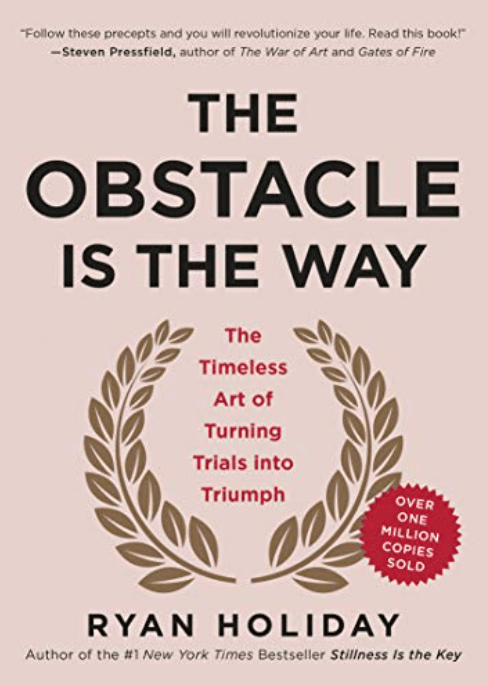
*** The Obstacle is the Way is another book my husband got, but I grabbed first. Doused heavily in war references and most certainly something a young Brian Flanagan would have had behind the bar in Cocktail, the main message is revolutionary. It’s a short read that reframed my thinking on setbacks and negative events. It reminded me very much of The Happiness Advantage, another great read that I’m linking as well!

Click on book cover for Amazon link
Click book cover for Amazon link

No, They Are Not OK.

Everywhere I look right now there are stories of teacher and sub shortages. Teachers who have quit mid-year or mid-day. Educators who are breaking down, and no, they are not ok.

I do realize we are all living through a pandemic. These last two years have been the hardest on education that I’ve seen in my school and teaching career. And it’s partially because the students are not ok either. But let’s be clear on this…IT’S NOT BECAUSE OF ACADEMIC LEARNING LOSS. The students are not ok because they took a hit to their social system…and even more detrimental, the pandemic cost them a part of their grit. I know that word is controversial, but in talking to my educator friends we are seeing more and more kids who struggle to…struggle. Throughout all the changing learning models, I fully believe kids took a step back in persistence skills. Teachers are having to work harder to motivate them and be independent.

But I think the even bigger reason teachers are struggling is that the American education system blew it. There were a lot of renegade educators out there that became a bit….excited actually, when the pandemic first shut us down. We were excited that it might mean a reset. An optimistic chance to stop and slowly rebuild the toxic and outdated tenets of our country’s school system.

In March and April of 2020, I joined several webinars and zoom calls about changing the face of education as we know it. ‘Let’s pause on standardized tests and reformat our instruction to include more project-based and experiential learning!’, they shouted. And I felt a buzz of hope that all the rebel teachers had been longing for.

But the American education system did the opposite. The message was sent that we ‘need to recoup lost learning’. Schools were told they needed to double-down on state standards and tests. Schools across the country are being pressured to cut out play, recess, and field trips all in the name of catching kids up academically. But to those teachers in the trenches right now, be honest,…Is their plan working?

One of my biggest pet peeves is when people complain without offering a solution. So I’ve gathered thoughts from my own experience and some of the educators I have come to dearly respect, by asking; What do educators REALLY need?

  • More than Starbucks cards. The community is trying, really. I’ve seen those “Let’s support our teachers!” campaigns by giving them coffee and gift cards. Let’s tell them to really take care of themselves! I get it. People want to do something. (And yes, A Chestnut Praline Latte might be a game-changer some days) All I’m saying is… let’s not stop there.
  • Change is slow- start simple. Right now the current model in education around the country is for schools to be structured with; teachers, support teachers, administrators and educational coaches. Now, I know some amazing human beings who are educational coaches in schools. This opinion is not saying that they are doing a bad job coaching, but that might not be what our school structures need right now. We need more teachers. Co-teachers, para-educators, and well, just more teachers so our class sizes are manageable enough for them to care for the kids the way they so badly want to. Parents, I urge you to ask hard questions at your school. If your child’s class size is huge, but there is more than one educational coach at the school… how does that make sense? And I understand this model came out of supporting teachers with professional development… but I could recommend a few books that could do the same thing. 😉
  • Reallocation of the billion dollar testing industry. According to The Element by Ken Robinson, “Standardized testing has become a booming industry. Using the GAO ( Government Accountability Office) figures, these testing industries may generate considerably more than $100 billion in business over seven years.” And if it wasn’t scary enough, that sentence was written in 2009! Think how much it’s grown. And I get the providing jobs thing, I really do. We can’t cancel a $100 billion dollar industry tomorrow. But what if we slowly defunded standardized tests and replaced them with jobs to support high quality educator training? Companies that worked with schools to determine needs, and then helped support them.

And as much as I have grumbled in this post, I do have hope (Enneagram 7 personality here…the enthusiast/optimist!!!). I have hope because there are enough of us out there to get us through. Like…

Parents who will fight for play, recess, inquiry, creativity, and project-based learning in our schools.

Teachers who will white-knuckle the handlebars and dig in because we love them. We do.

Administrators who will pause and push back against the toxic pressure from the system and do what’s best for those kids.

*** I have delayed reading this book in entirety for six months because I get fired up when I read it. (Case in point above). We need to put our stock, our trust, in teachers. Bottom line. They are not just a cog in the system. They are the system. A fantastic read from the Finnish gurus; Pasi Sahlberg and Timothy Walker. In Teachers We Trust.

Click book cover for Amazon link

The Role of Place

Getting to volunteer at my kids’ school has been a gift of this year. I lovingly joke that I have one kid who is mad if I don’t wave at him when I’m there, and one who is mad if I do.

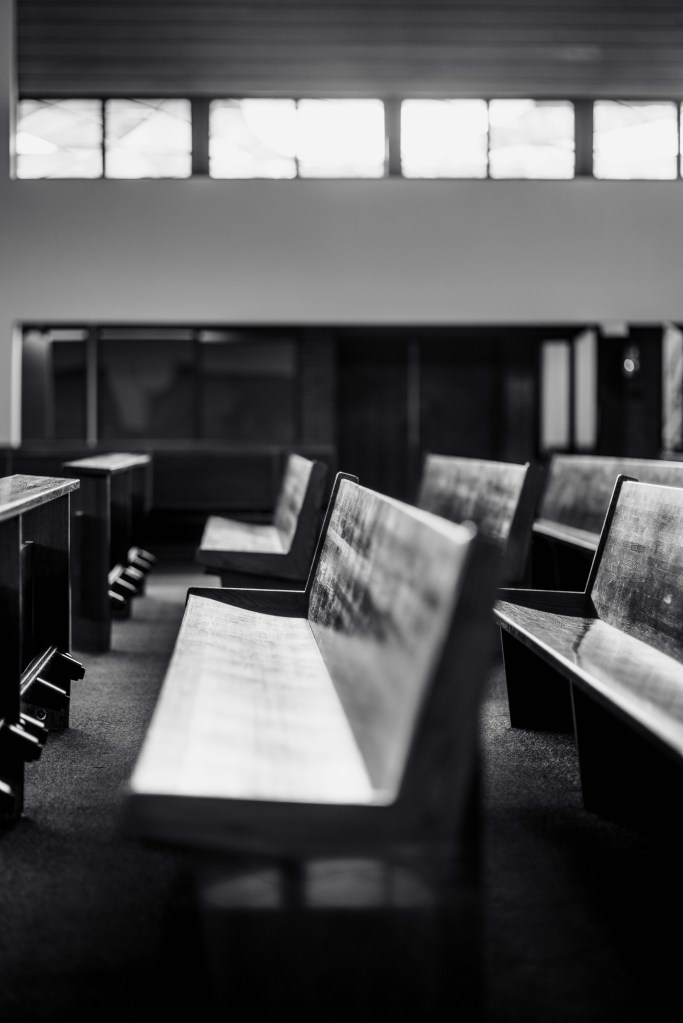
Last week I helped with a pizza party for select kids who met a fundraising goal. I volunteered to pluck certain kids from their class line outside the cafeteria and escort them across to the church atrium where the pizza party was. To do this we needed to cross the empty church sanctuary.

Photo Cred: Sara Schneider

The first time I walked across the wide room I was reminded of the uniqueness of an empty quiet church. Years of worship leaves a place with a crowded silence and stillness. Whispers of sacraments and prayers and songs marked by old wooden pews and the faint vestiges of thousands of lit and extinguished candles.


Even for my own family, the room held a decade of memories. sitting in the “crying” room with our new daughter as sun slanted through warm stained glass. Holding back tears as the congregation applauded on Mother’s Day; the amount of swollen bellies and brand new bundles in abundance around the room mocking our emptiness. And I may never forget climbing across an entire row of kneeling school children, in heels, to catch my altar-bound toddler one particular Ash Wednesday.

The church is friends and family, baptisms and makeshift folding chairs on Christmas Eve. Holding space and welcome and unspoken love, and it is home.

As I escorted a group of first graders, one commented incredulously, “The church looks WEIRD all quiet”. And I smiled.

When I think of certain places I’ve been in my life, whether well-worn or a singular visit, I am reminded that wherever else I may be, it still exists without me. The patch of woods between my grandparents house and the cemetery is still subsisting, perhaps another five-year-old has found respite among the sumac bushes. The outcropping of rocks in Cinque Terre, Italy is still there, providing the perfect picnic area as it did twenty-some years ago for college students contemplating the transition into the ”real world”.

And we forget the power of place for the children in our lives, but it is there. As they form the fragile memories of every moment the where is the unconscious backbone to their experience.

I read last week that we should include environment when we write IEP’s (Individualized Education Program) for our kids. We need to adapt for the classroom next to the cafeteria and the desk next to the window. To teach strategies when the floor echoes too loudly and the fluorescent lights are too bright.

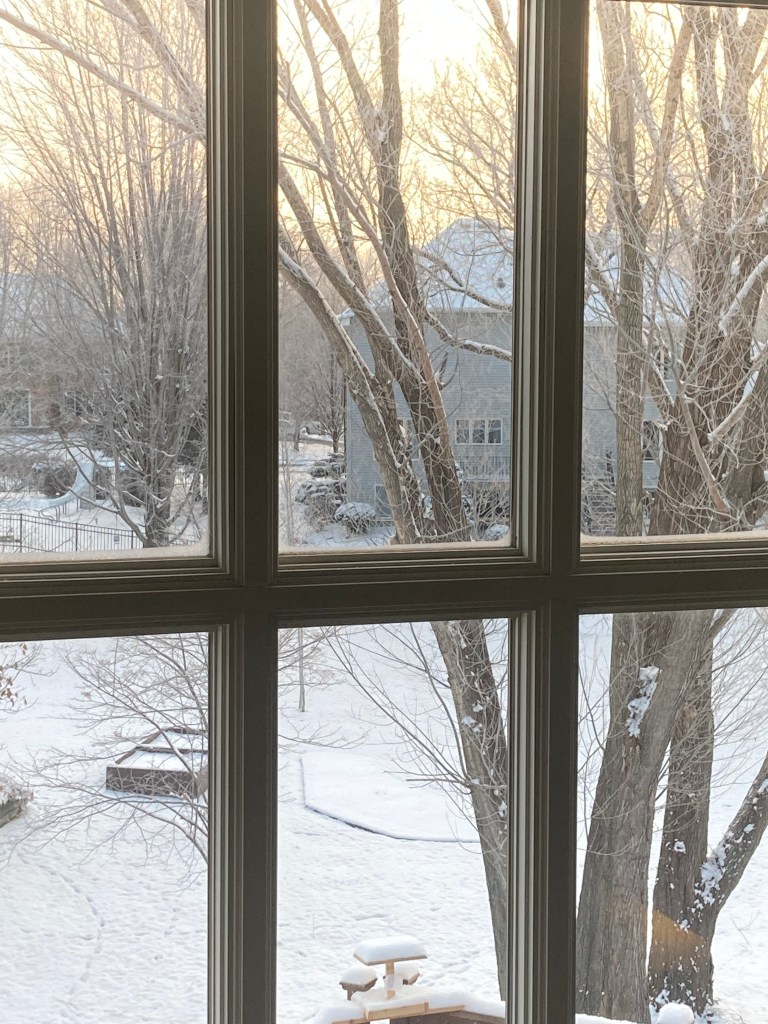
As for my own children, I am inspired to introduce the awe that place holds; the ceiling at the Basilica in Minneapolis, the habitat and history on the banks of the Minnesota River, an old stone fireplace to gather with friends, and the stable comfort of the yellow maple outside the safety of our kitchen window.

*** This week I read The Element by Ken Robinson. This one has been on my recommended list forever. I’d suggest it for anyone still trying to figure out what to “be when they grow up”…at any age. Lots of famous examples of people who found the cross section between natural ability and what you love to do.

Click book cover for Amazon link

The Candy Man

Apple pie bars. Chocolate chip cookies from Costco. Bags of pumpkin candy corn. Root beer floats. Three gallon-size ziplocks FULL of Halloween candy (two trick or treaters and leftover from our door).

This is the contents of my kitchen right now.

Out little guy had an exciting weekend. (Actually, both kids did…but our 7th grader is much better at regulating.) Between the buildup of Halloween activities with friends on Saturday and trick or treating yesterday, my six year old was very challenged this weekend to regulate those big feelings.

And despite all of the progress he has made with managing big emotions and using his words, I think it was sugar that sent him over that edge. Though we did limit him; we are definitely not those parents that allow a free-for-all on the sweets, but I find it cruel to say NO TREATS AT ALL when they are everywhere he looks. When he was really little, if we hid them in a cupboard it was ‘out of sight, out of mind’. But now, he knows darn well that there’s a giant bag of flashy colored sugary treats somewhere on the premises.

So I did some digging this morning to figure out how exactly sugar can affect behavior. According to the Neuroscience and Biobehavioral Reviews (Volume 103, August 2019), “Sugar overconsumption leads to changes in neurobiological brain function which alter emotional states and subsequent behaviors.” Well that sounds scary. The article goes on to describe how sugar consumption can be linked with anxiety, fear, depression and stress. How eating sugar creates a need (like an addiction) for more of it, and how it affects your amygdala (the source of those big emotions). Not to mention, sugar can be dehydrating, which often causes aggressive behavior in the brain.

Now I know, I could build a pretty good case around why too much of ANYTHING could be negative (I’m entirely sure excessive lima beans could kill you too.) But when we have those tough kids already- the ones who struggle to calm themselves, the ones who can’t always get the words to tell how they feel, who end up yelling and throwing because the emotions come out sideways, to these kids who are already verging on dysregulation- we need to tread lightly. So I’m going to try and be more mindful tonight with my little guy. To give more water and maybe make a favorite healthy meal. Perhaps we can practice our calming tools and have an extra long bath with snuggles after.

And as for those three bulging gallons of candy…I’m going to have to get some really good hiding places.

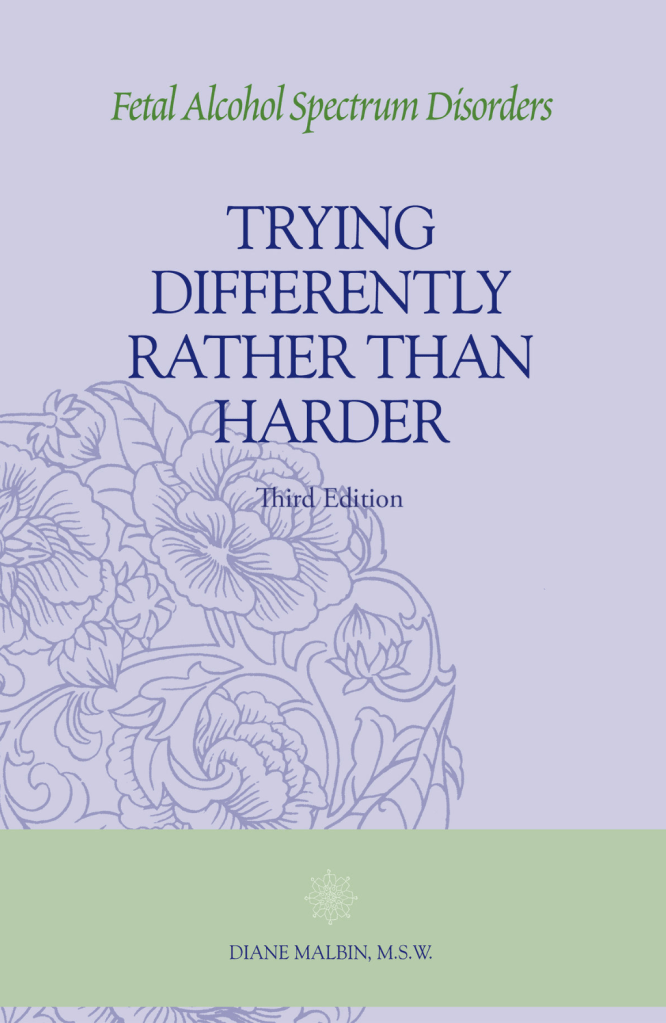
***This week I read Trying Differently Rather Than Harder, a book about Fetal Alcohol Spectrum Disorders. Having a couple friend and acquaintance families affected by FASD, I realized how little I knew about it. The diagnosing process is loaded with miscommunication and emotion so I’ve only had two past students years ago that have been confirmed FASD. Although it’s only a 75 page book, it was eye-opening to how this is a brain difference rather than a behavior problem.

(Click book cover for Amazon Link)