Why “data privacy” is killing our schools.
A few weeks ago, I read these word from Bruce Perry and Oprah’s book What Happened to You mentioned in my last post, “The Neurosequential Model allows us to create a version of how the individual’s brain appears to be organized; it is basically like an inspection of a house. By asking the “history” of the house’s construction- the “what happened to you?”- we are able to home in on the most likely problems.” After a hearty hallelujah to myself reading in the parking lot before school pickup, I immediately became frustrated.
For years the phrase “need to know basis” has threaded through every delicate conversation about students in schools. Meaning, there are certain things about a student that cannot be shared freely with certain people, or often anyone at all. Given the uptick in stressors the last couple years, more and more students have “certain things” that are derailing their education plan by way of unaddressed mental health concerns.

So when I read that Bruce Perry, the godfather of trauma study, says that we need to understand the full history of a child to support them, all I could think was- “data privacy” would never allow this.
Let me share an example. Let’s say you are a third grade teacher with a student named Caden. Caden is disruptive to your teaching every day. He typically tries to get the lesson off topic by blurting out things to make the class laugh and dances around to distract others. You have had a tough time getting him to open up and he doesn’t seem to want to connect with you. He frequently disrespects you and doesn’t listen when asked to do something- especially coming off the playground from recess. One day, while lining the class up after recess, you see that he is (again) not obeying. He’s still swinging while the rest of the class has started walking in. You can feel your heart pounding as you think, “This kid has absolutely no respect for authority, and I have HAD IT!” You march over, red-faced, and shout loudly at Caden for never listening, resulting in school administration having to remove him from the playground- suspending him for the day.

Phew. Some variation of this story is happening right now in some school somewhere. I know because at some point, I’ve been that frustrated teacher. What we see everyday as teachers is the only version of Caden we know; disrespectful, apathetic, unengaged, noncompliant….
But what if there was more to Caden’s story? Because of data privacy protection laws, teachers often know very little about a child’s history when they arrive in our classrooms each fall. And social workers and admin who may know a bit more are often bound by those very same laws in how much they can legally share. Through no fault of their own, they are unable to disclose events and traumas that may have shaped the student with the very person who is with them all day every day– as elementary teachers are.
What if instead in August you got some caring background on your future student? You learn that he was in and out of foster care until age 4, when mom finally gave up custody. At five they were able to track down biological dad who resumed custody but was unable to care for Caden financially and emotionally. Caden spent most of his time with various girlfriends and friends of dad’s, sleeping on couches. Caden had been in three schools in four years and had little practice in making friends, let alone learning what a caring family looks like.
…It changes the filter, doesn’t it?
This story is an example, but it’s so close to reality because it’s been my experience time and time again. Teachers and other support educators DO NOT KNOW the full picture of a child, because data privacy has scared everyone in education to the point where we are not caring for a child in the best way possible. As Bruce Perry says, teachers and caregivers must know a child’s full history in order to truly move forward.
Let’s rewind back to how knowing this background would help me teach Caden in the best way possible. Does knowing these heart-wrenching stories that no nine-year-old should have to endure change the amount I expect of him? Absolutely not. Knowing the details of those hard places these kids are coming from does not excuse the child from having to do hard things in school- but you better believe it changes the approach to those hard things. For example, if I’m teaching a lesson in math and Caden loudly announces, “this is boring…” {side bar- yes, this has happened before}. If this is a repeat behavior, it’s so easy to jump to the frustrated disciplinarian… but through my filter of his background I can instead look at the why.
Caden has been in three schools in four years with little to no academic support at home. Is it likely that this lesson is too hard, and he lacks the skills to ask for help? Is it also possible that Caden hasn’t had any practice socially, and he know kids will laugh when he interrupts? What if I know he needs practice in how to learn to trust adults (because in his experience, they leave or don’t pay him much attention.)? And what if, instead of standing over him and calling him on that disrespect (resulting in behavior escalation) I gently get down to his level and connect? Show him another example in a quiet calm voice. Assure him with my eye contact and smile that I am right with him.
Is he going to respond perfectly every time? Probably not… but it’s a step towards breaking the cycle of ‘hurt people hurt others’ and the so-called school-to-prison pipeline theory.
We need to know the whole story. There has to be a better way to protect private information about children, than to function blindly year after year. I don’t have the answer yet, but let’s work with parents, and mental health specialists to share the full picture so we can give a full education; one with caring, understanding, and yes even- high standards.
A couple weeks ago I attended an inspiring TEDTalk event with a dear friend. In between speakers they featured short videos including one of the band Lawrence singing an acoustic version of “Don’t Lose Sight”. As I continue to research and be motivated by individuals advocating to support kids, this song has run like a soundtrack in my head.
“This {stuff’s} going to kill me, but I won’t let it
And I try to give them hell, but they don’t get it
So I tell myself when I sleep at night
Don’t lose sight
Baby, don’t lose sight”
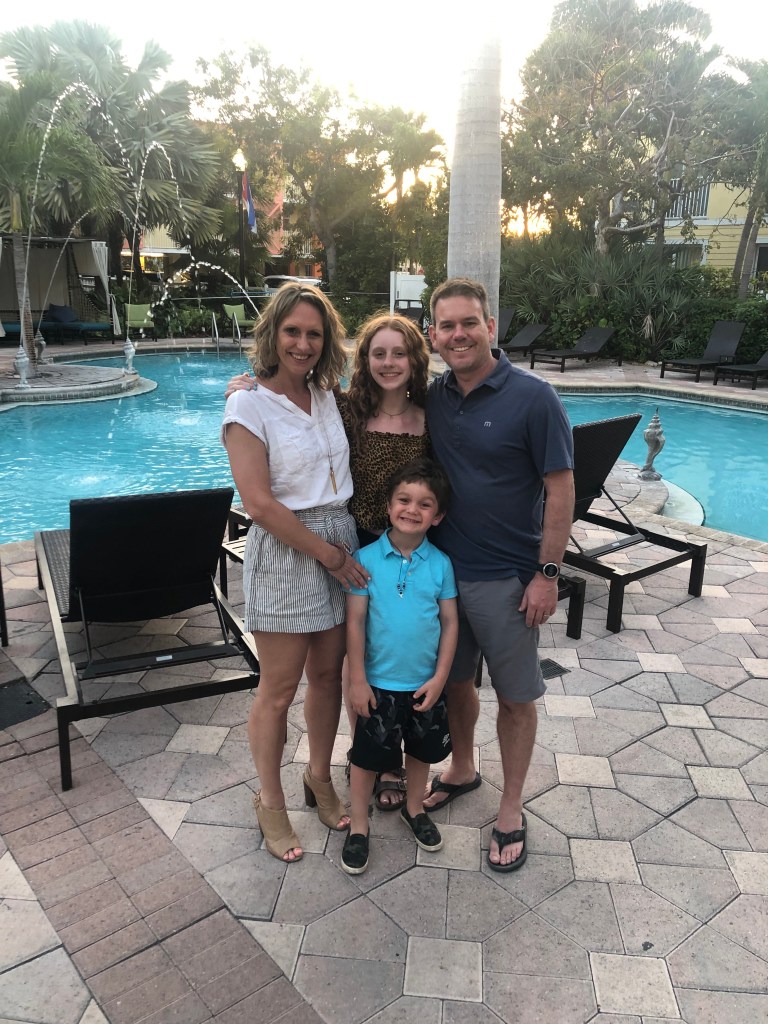
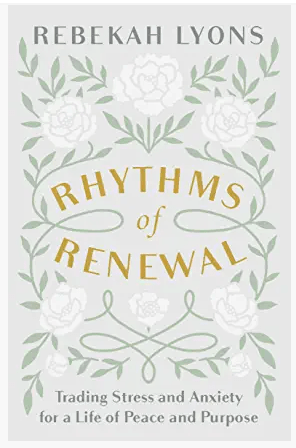
In honor of spring break on the beach in Key West, I read Rhythms of Renewal by Rebekah Lyons. Light, comforting, and so easily paired with fresh ocean air. I identified with her anxiety-filled moments and loved her suggestions on all aspects of health including food, exercise, and prayer.
/
 Teaching the Good Stuff