I pulled up to the stoplight, Target list in the middle console, flipping radio channels with one hand and digging in my purse for an allergy pill with the other. And I’m horrified to admit that my first instinct was to then grab my phone and scroll through social media while I waited for the light to turn green. While I generally DO NOT make it a habit to be on my phone in the car, I was so lost in “go-mode”, that sadly, this was my gut reaction when forced to pause and wait.
Earlier that morning I had listened to a podcast while on a run, done some online shopping, driven one kid to activities, and played Legos with the other. I was headed to Target before circling back to pick up the first kid. And although I’m guessing this is a typical weekend in the lives of most of you all, I was so disappointed in myself that my innate desire was to keep my hands busy, even at a 30 second stoplight!
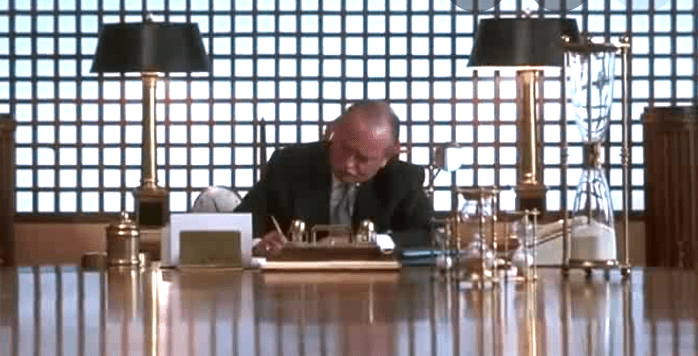
If you don’t recognize the quote in the title, it’s from National Lampoon’s Christmas Vacation, where ‘stereotypical boss’ Mr. Shirley tries to get out of an awkward conversation with Clark Griswold by asking his assistant to get him someone on the phone. But I always giggle at the second half of the quote, …”and get me somebody while I’m waiting.” Isn’t that the truth? When we are in the “go-mode” there is such pressure to fill the space with sound, entertainment, and busyness.
I always laugh to myself that I know my husband is home when all the lights are on maximum brightness, and we have several things making noise. My dear husband will have the game on tv, 70’s classic rock on the speakers, accented by one or more kid with a noisy video or game on a device. And to each their own, because he seems to thrive in the hubbub. “I’m making steaks!” he shouts happily from the kitchen, checking fantasy football scores on his phone amidst the television ref calls and Bob Seger blaring.
And as much as I get caught up in the noise too, I realize I crave the silence; easily overstimulated by too much light and conflicting amounts of audio entertainment. It could be some possibly undiagnosed ADHD (which I fully suspect might be a common teacher thing), but more likely a side effect of our current culture of nonstop noise and motion. After spending the day in a loud classroom, I always rode home in silence. Letting the ring in my ears abate to the hum of tires on concrete and deep breaths.
So I turn to the master of silence use; my favorite, Mister Rogers. In our Educator’s Neighborhood Group this year we are luckily tasked with watching episodes through different lenses. My favorite is to watch for his use of silence. If you’ve never watched him in action, he has a way of speaking in a laid-back, unhurried tone. He doesn’t worry about pausing and letting there be “dead air”. Isn’t it the silence that sometimes pulls us in? It is the beauty of anticipation, the art of ellipses, and the space to think among all the daily din of our lives.
Last night I settled into the couch with my two kids, trying to bridge the gap between dinner and getting ready for bed. The Kindergartener bounced between Roblox and Lego trucks while the middle schooler scrolled aimlessly through social media. Without a solid plan, I flipped on an old episode of Mister Rogers from the fourth season. I felt my shoulders drop in comfort as I heard the soft jazz that accompanied the changing scenes in the episode and Fred’s melodic voice pausing between thoughts. And in that silence, that stillness- both kids looked up from their own devices and watched a bit, surprisingly captivated by something that aired over 50 years ago. (1971)
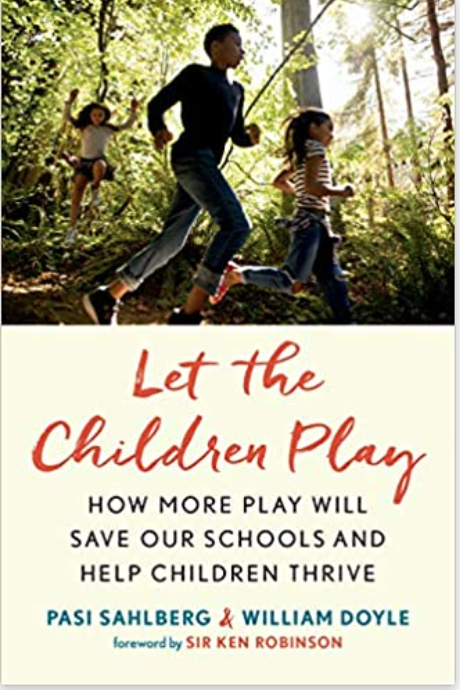
*** I haven’t finished my book this week (stay tuned…it’s an awesome read on recess!), so I am linking my two favorite educational books. I am often asked what my favorite books are for the future of education and I always recommend these two: The first is Let the Children Play by Pasi Salhberg and William Doyle. It is the absolute handbook for play-based learning and models of education systems that are flourishing.
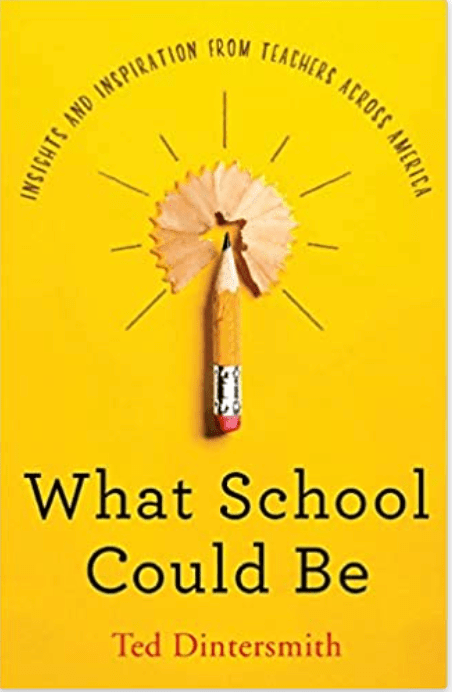
Similarly, What Schools Could Be by Ted Dintersmith depicts examples around the country (and some world) of schools and systems that are thriving using cutting edge, exciting and best-practice theories in education. I recommend both for any teacher, parent, or education-enthusiast-rebel!
 Teaching the Good Stuff