Apple pie bars. Chocolate chip cookies from Costco. Bags of pumpkin candy corn. Root beer floats. Three gallon-size ziplocks FULL of Halloween candy (two trick or treaters and leftover from our door).
This is the contents of my kitchen right now.
Out little guy had an exciting weekend. (Actually, both kids did…but our 7th grader is much better at regulating.) Between the buildup of Halloween activities with friends on Saturday and trick or treating yesterday, my six year old was very challenged this weekend to regulate those big feelings.
And despite all of the progress he has made with managing big emotions and using his words, I think it was sugar that sent him over that edge. Though we did limit him; we are definitely not those parents that allow a free-for-all on the sweets, but I find it cruel to say NO TREATS AT ALL when they are everywhere he looks. When he was really little, if we hid them in a cupboard it was ‘out of sight, out of mind’. But now, he knows darn well that there’s a giant bag of flashy colored sugary treats somewhere on the premises.

So I did some digging this morning to figure out how exactly sugar can affect behavior. According to the Neuroscience and Biobehavioral Reviews (Volume 103, August 2019), “Sugar overconsumption leads to changes in neurobiological brain function which alter emotional states and subsequent behaviors.” Well that sounds scary. The article goes on to describe how sugar consumption can be linked with anxiety, fear, depression and stress. How eating sugar creates a need (like an addiction) for more of it, and how it affects your amygdala (the source of those big emotions). Not to mention, sugar can be dehydrating, which often causes aggressive behavior in the brain.
Now I know, I could build a pretty good case around why too much of ANYTHING could be negative (I’m entirely sure excessive lima beans could kill you too.) But when we have those tough kids already- the ones who struggle to calm themselves, the ones who can’t always get the words to tell how they feel, who end up yelling and throwing because the emotions come out sideways, to these kids who are already verging on dysregulation- we need to tread lightly. So I’m going to try and be more mindful tonight with my little guy. To give more water and maybe make a favorite healthy meal. Perhaps we can practice our calming tools and have an extra long bath with snuggles after.
And as for those three bulging gallons of candy…I’m going to have to get some really good hiding places.
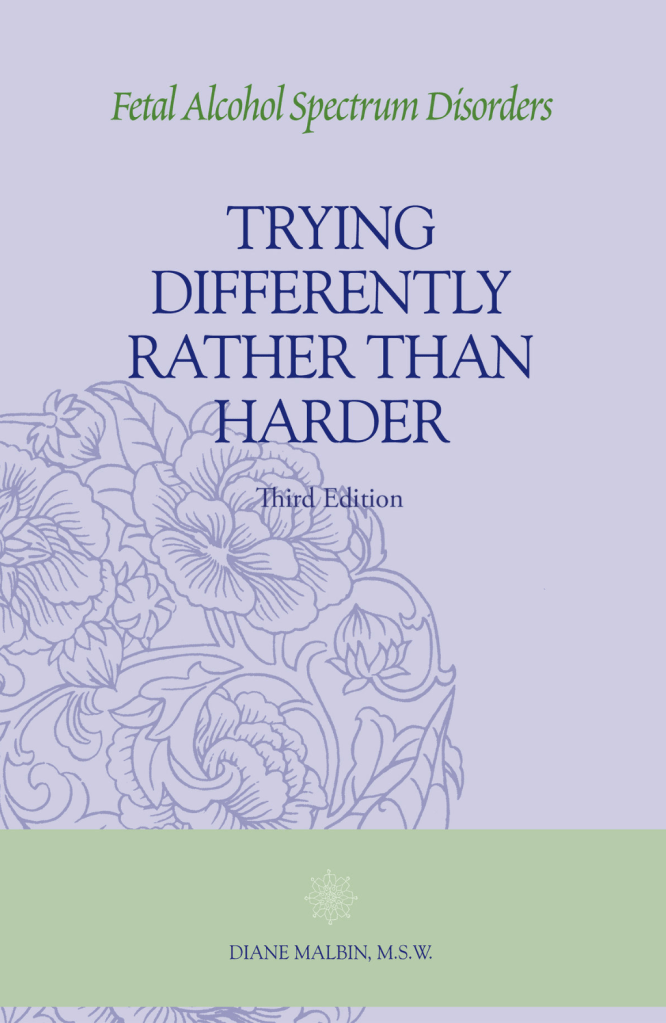
***This week I read Trying Differently Rather Than Harder, a book about Fetal Alcohol Spectrum Disorders. Having a couple friend and acquaintance families affected by FASD, I realized how little I knew about it. The diagnosing process is loaded with miscommunication and emotion so I’ve only had two past students years ago that have been confirmed FASD. Although it’s only a 75 page book, it was eye-opening to how this is a brain difference rather than a behavior problem.
 Teaching the Good Stuff